 by
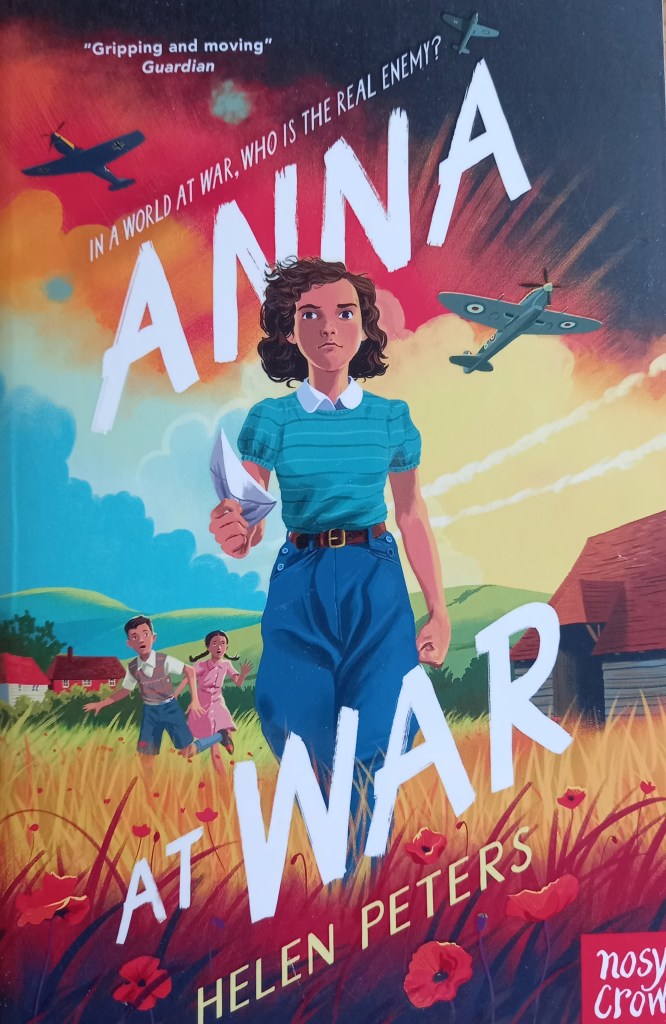
by I read Anna at War on Sunday afternoon and evening almost without pause. I started it so I could write this review but I continued with it because I could do nothing else. The plot drives along taking the reader with it on Anna’s journey from Frankfurt to the Kentish countryside.
As Anna’s story begins it is November 1938 and what will come to be known as the Night of Broken Glass or Kristallnacht is about to unfold. Life for the Jewish community in Germany is deteriorating rapidly and Anna’s parents are no longer able to believe that it will improve. And so they make the heart-breakingly difficult decision to send her to England as part of the Kindertransport project.
Anna settles in to her new life in Kent, although she feels as if only half of her is living it. Mostly she finds kindness and acceptance, and she is strong enough to cope with the limited hatred she meets.
And then there’s a massive turn in the plot. The book shifts from being the story of a community in wartime to being a spy thriller. To be completely candid, I don’t think I really believe in the second part of the story – but the pace, plotting and dynamism of Helen Peters’ writing carried me along on a wave of suspended disbelief.
Helen Peters writes the kind of books I liked as a child; books with strong characters and plots set in the real world. Books that gave me something to think about and things I needed to find out more about. Books by people like Noel Streatfeild, KM Peyton and Joan Lingard. Books with some substance to them.
 Pictures and Conversations
This sounds really good.